

Itchy, burning, peeling skin between your toes is annoying at best and painful at worst, and it is one of the most common foot problems we see. The good news is that athlete's foot is very treatable, and most people can get relief with the right steps. Utah Podiatry is here for Logan and Tooele, UT. And here are the answers to the questions we hear most often.
What Is Athlete's Foot?
Athlete's foot is a fungal infection of the skin on the feet. It usually starts between the toes, but it can also spread to the soles and sides of the feet. The fungus likes warm, damp places, which is why sweaty shoes and socks give it the perfect home. You do not have to be an athlete to get it. Anyone can.
What Causes Athlete's Foot?
· Wearing damp socks or shoes for long periods
· Walking barefoot in locker rooms, pool areas, and shared showers
· Sharing towels, socks, or shoes with someone who has it
· Feet that sweat a lot
· Skin that is already cracked, dry, or irritated
· Tight shoes that do not let your feet breathe
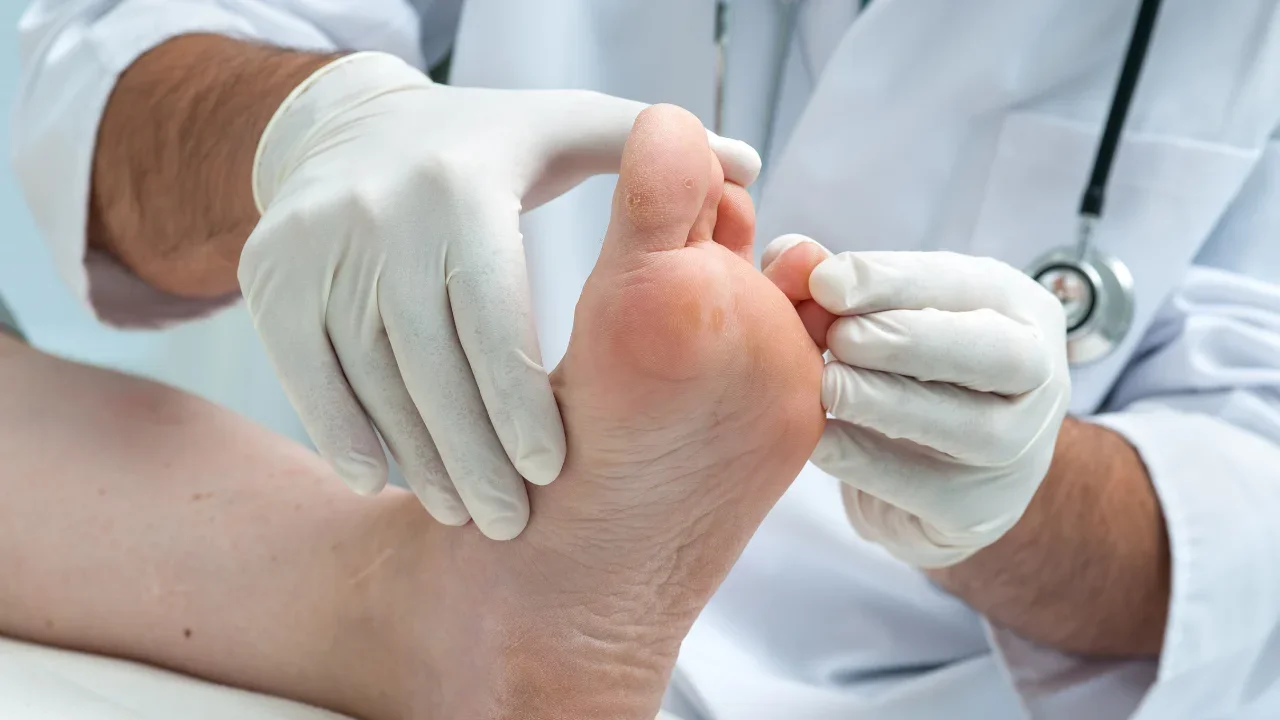
What Does Athlete's Foot Look and Feel Like?
· Itching, stinging, or burning, especially between the toes
· Red, scaly, flaky, or peeling skin
· Cracks or splits in the skin
· Dry, scaly skin on the bottom or sides of the foot
· Small blisters in some cases
· Sometimes, a bad odor
Not every rash on the foot is athlete's foot. Other skin conditions, such as eczema or contact dermatitis, can look very similar, which is one reason it helps to have a persistent rash checked.
How Is Athlete's Foot Treated?
We always start with the most conservative options that make sense to you. Many mild cases respond to over-the-counter antifungal creams, sprays, or powders, used as directed on the label. A few habits can make a big difference:
· Wash your feet every day, and dry them well, especially between the toes
· Change your socks whenever they get damp, and choose socks that keep your feet dry
· Switch shoes from day to day so they have time to dry out
· Wear sandals or shower shoes in public locker rooms and pools
· Keep using treatment for as long as the label says, even if the itch goes away
If over-the-counter treatment does not clear it up, or if it keeps coming back, we can confirm what is going on and recommend the right next step, which may include prescription treatment.
Can Athlete's Foot Spread?
Yes. It can spread from one foot to the other, to other areas of the body, and to other people. It can also spread to the toenails, where it can be harder to treat. Washing your hands after touching the area, not sharing towels or footwear, and keeping up with treatment can help stop it from spreading.
How Can I Help Prevent It?
· Keep your feet clean and dry
· Do not go barefoot in public wet areas
· Wear shoes and socks that let your feet breathe
· Replace old, worn-out shoes, and let them air out between wears
· Use a foot powder if your feet sweat a lot
· Treat it early, before it spreads
What Should I Avoid?
· Do not peel or pick at the skin, which can open it up and make it easier for infection to set in
· Do not scrub the area hard, since irritated skin heals more slowly
· Do not share towels, socks, or shoes while you are being treated
· Do not stop treatment as soon as the itching goes away
· Do not put the same damp shoes back on day after day
Is It Athlete's Foot or Nail Fungus?
They are related, and one can lead to the other, but they are not the same. Athlete's foot affects the skin. Nail fungus affects the nail itself, which may become thick, discolored, or crumbly. If you notice changes in your nails along with itchy skin, let us know so we can treat both.
When Should I See a Podiatrist?
It is time to come in if:
· It has not improved after a couple of weeks of home care
· It keeps coming back
· The skin is very red, swollen, or painful
· You see pus, drainage, or signs of infection
· It has spread to your toenails
· You are not sure it is athlete's foot
Come in sooner if you have diabetes or poor circulation. A small crack in the skin can become a bigger problem more quickly, so it is better to have it checked early rather than waiting to see if it clears up on its own.
What About Kids?
Children can get athlete's foot too, especially after swimming, sports, or time in shared locker rooms. If your child has itchy, peeling skin between the toes that does not improve with simple care, bring them in so we can take a look.
If an itch that will not quit is driving you up the wall, call today to schedule an appointment with our team. Utah Podiatry is here for Logan and Tooele, UT, to help you feel comfortable again.